Press Room

Article / Jan 12, 2026

CEO Spotlight: Hovione’s Jean-Luc Herbeaux

Contract Pharma, 12 January 2026

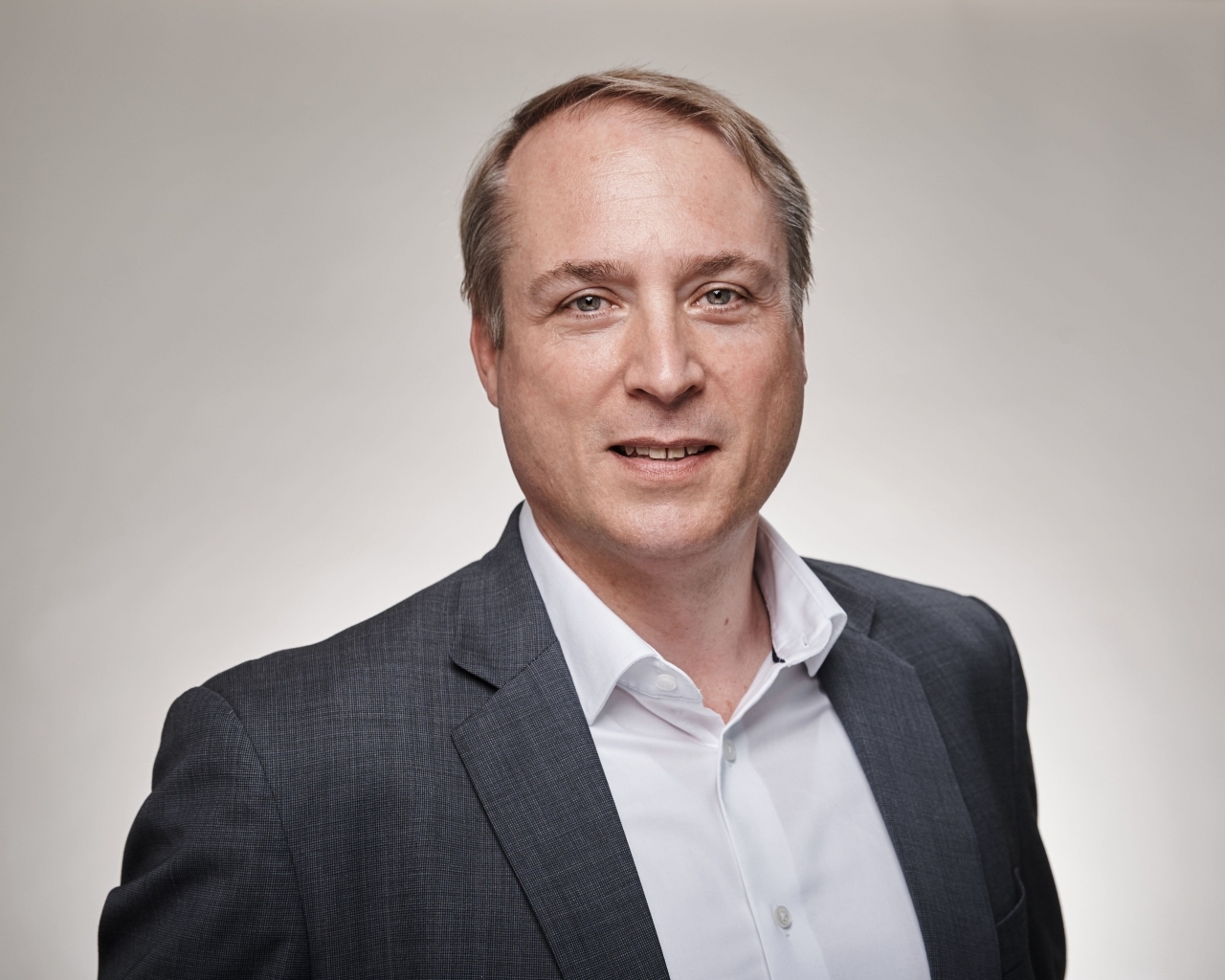
Jean-Luc Herbeaux COO | Hovione

Hovione is an international CDMO with over 60 years of experience in pharmaceutical development and manufacturing, providing a comprehensive range of services for New Molecular Entities (NMEs) including drug substances, intermediates, and finished drug products. Hovione also provides niche generic API products and delivers advanced technologies to support a variety of drug delivery systems, including oral, injectable, inhalation, and topical formats. Today, the company employs 2,500 people worldwide and offers 900 m3 of manufacturing capacity.

Jean-Luc Herbeaux joined Hovione as Chief Operations Officer in 2020 and was appointed CEO in April 2022. Previously, he held multiple high-level leadership positions at Evonik, where he last headed the Health Care Business Line. Herbeaux earned a Diplôme d’Ingénieur from UTC in France and an M.S. and Ph.D. in Mechanical Engineering from the University of Houston in the U.S.

In this Q&A with Contract Pharma, Herbeaux discusses Hovione’s leadership in spray drying and continuous tableting technologies, the fundamental purpose that drives the company, long-term growth strategies and more.


Contract Pharma: What are the most significant trends you are currently observing in the CDMO industry?

Jean-Luc Herbeaux: Several powerful trends are currently reshaping the CDMO industry.
First, we are seeing a rapid increase in the complexity of synthetic molecules. These compounds often require longer, more sophisticated chemical routes and access to specialized, qualified capacity. They also drive demand for advanced formulation technologies, particularly in particle engineering and bioavailability enhancement, where spray drying has become a key enabling platform.

Second, development timelines continue to compress. Sponsors want to move faster, which significantly increases the pressure on manufacturing organizations. CDMOs are expected to design, build, qualify, and scale assets in much shorter timeframes. This challenge is amplified by the simultaneous launch of very large-volume products, where commercial capacity may not yet exist and must be created in parallel with late-stage development. These dynamics clearly favor CDMOs that already have available capacity, strong engineering depth, and proven capabilities in rapid, right-first-time scale-up.

Third, the regionalization of supply chains is becoming a structural reality. Concepts such as “USA for USA” or “China for China” represent a fundamental shift for an industry that was historically optimized around globally integrated networks. CDMOs with a truly international manufacturing footprint and strong scalability are best positioned to support this transition and to meet the expectations of global pharmaceutical customers.

Finally, all these forces are accelerating the evolution of customer relationships — from transactional outsourcing toward strategic, long-term partnerships. As regulatory standards tighten and customer audits become broader and more rigorous, CDMOs aspiring to be strategic partners must go well beyond technical excellence. They must demonstrate highly professionalized operations, robust quality systems, strong governance, and the ability to integrate seamlessly into their customers’ development and supply strategies.

CP: How does Hovione maintain its leadership in spray drying and continuous tableting technologies?

Herbeaux: Establishing and maintaining leadership demands focus, discipline and commitment to continuous improvement. Decathletes are versatile but rarely dominate a single event. Similarly, I believe pharma CDMOs must decide whether to focus on selected technologies to achieve excellence or maintain a broad offering with inevitable compromises in depth and focus. At Hovione, we have chosen to specialize, dedicating over 20 years to perfecting spray drying. Thanks to this dedication, we have built unmatched know-how in particle engineering, scale-up, and industrialization, by optimizing materials, formulation, process design, automation, hardware design, and nurturing internal talents and partnerships.

Specialized CDMOs like Hovione are uniquely positioned to lead this journey, given their exposure to a far broader range of compounds than any individual pharmaceutical company encounters within its own development pipeline. Our journey in continuous tableting is more recent, yet it follows the same playbook: we apply the same disciplined, end-to-end rigor across processes, hardware, automation, talent, and partner networks to drive usability and adoption. We do so by weaving innovation and continuous improvement into everything we do, with all our team members and partners contributing.

This specialized approach has made Hovione very relevant to the pharmaceutical market, not by virtue of size or volume, but through the differentiation achieved in these areas of heightened focus. In turn, this contributes to the creation and reliable supply of superior therapies to the most important stakeholder group – patients.

CP: How is Hovione integrating new technologies and innovations in its processes?

Herbeaux: At Hovione, we believe in advancing the quality of our services through science and technology.  Our scientific expertise helps bring performance and predictability to the development and manufacturing processes we employ to deliver drug products and their intermediates to our customers, ensuring consistently high-quality results at all scales.

Our approach to innovation integrates co-development with our partners and customers to adopt innovations that accelerate development and constantly improve product and process performance. Digital tools and automation—like PAT, advanced analytics, and in silico modeling—are obviously integrated in our processes to improve control, speed, and outcomes.

By focusing on innovations that have a real impact, Hovione supports up to 10% of the NDAs submitted to the FDA on any given year and contributes to medicines that reach about 80 million patients. This reflects our dedication to improving patients’ lives. At the core of our identity is this fundamental purpose that guides everything our 2,500 team members do: “We are in it for life.”

CP: What is Hovione’s long-term strategy to grow its U.S. operations? What progress has the company made recently?

Herbeaux: The significant growth of our New Jersey site in recent years reflects the combined effect of a deliberate strategic decision to reinforce local capabilities and teams —bringing us closer to our customers and their end markets.

Our “one-site-stop” approach—bringing together drug substance, drug product intermediate, and drug product capabilities at a single site under one quality system—resonates strongly with customers. This model reduces technology-transfer complexity, compresses timelines, and enables seamless execution from development through commercialization, directly addressing customer demand for accelerated timelines.

We recently completed a $100 million investment cycle, including the construction of a 31,000 sq. ft. facility featuring two new commercial-scale size-3 spray dryers dedicated to amorphous solid dispersions (ASDs). This investment more than doubles our U.S. spray-drying capacity.

The facility will also soon be equipped with a next-generation GEA continuous tableting line (CDC Flex) designed to accommodate a broad range of output levels, from development through commercial-scale volumes.

Hovione has also acquired additional land to support a future 125,000 sq. ft. greenfield development. Together, these projects have the potential, over the next decade, to transform our New Jersey site into a fully integrated pharmaceutical manufacturing campus of more than 200,000 sq. ft.

CP: What is Hovione’s growth strategy for the rest of the world beyond the U.S.?

Herbeaux: The New Jersey expansion is part of Hovione’s multi-year, multi-continent investment plan to create a network of autonomous yet harmonized sites. In Seixal, Portugal, a €200 million investment in a 104-acre campus—including new production buildings, laboratories, and offices—is scheduled to open in 2027, providing clear line of sight for new business opportunities.

In Cork, Ireland, a recently completed expansion nearly doubled our local spray-drying capacity. Together, these investments strengthen our key technology platforms— 1) amorphous solid dispersion via spray drying and 2) continuous tableting—enhancing capacity and ensuring redundancy to support global supply continuity.

CP: Are there any recent collaborations or partnerships that have been impactful for Hovione’s trajectory?

Herbeaux: Strategic partnerships with pharmaceutical companies (our customers) are particularly rewarding, as they entail long-term commitments, provide preferred access to rich portfolios and pipelines, and support our continuous evolution toward best-in-class performance. In recent years, we have secured a growing number of preferred supplier relationships, which have helped ensure long-term supply of complex drugs and intermediates for our partners while also mitigating risk in our own pipeline.

Another category of strategic collaborations involves partners with capabilities that are complementary to ours. Through these collaborations, we expand our innovation ecosystem, enhance our capabilities to address the industry’s toughest challenges, and leverage top industry talent to create value that benefits and respects all participants.

Our partnership with Zerion Pharma helps advance the Dispersome technology to boost bioavailability of small-molecule drugs, supported by our ASD-HIPROS intelligent screening platform to speed amorphous solid dispersion formulation development.

Our technology partnerships with Dragonfly Technologies (micellar chemistry) and Microinnova (flow chemistry) enable greener, leaner chemistry.

Our collaboration with GEA contributes to the higher adoption of continuous tableting with next generation continuous tableting machines, which are easier to use, more compact and address the customer requirement for accelerated development.

Building on our leadership in spray drying, we are partnering in systems for respiratory drug delivery, such as dry powder inhaler device technology with H&T Presspart and nasal powder delivery devices with IDC in order to present a complete offering (API, powder, and devices) to the market.

Last but not least, we are expanding our network to areas adjacent to our current commercial activities, most notably aseptic particles and formulations, with the goal of addressing drug delivery and stabilization challenges for new modalities. Our specialized synthetic sugars, which show potential in this area, came with the acquisition of ExtremoChem. We will share more details as this offering continues to mature.

CP: From a sponsor’s perspective, what should companies look for when choosing a CDMO for early-phase development of complex formulations?

Herbeaux: When faced with the difficult task of selecting a CDMO, I would recommend choosing a partner with proven capabilities in the relevant area—particularly when it comes to scaling from early development to commercial production. I would select a CDMO that helps the customer make the right scientific and technical decisions early, anticipating scale-up challenges before they arise. Ultimately, I would choose a partner for the long term, equipped with the right team (including management), equipment, methodologies, quality and regulatory expertise to de-risk both the clinical and commercial programs.

A long-term partnership fosters a transparent, collaborative model, supported by strong data protection, with the CDMO functioning as an extension of the customer’s team.  As trust is established and team dynamics are proven, partners can successfully pursue projects even beyond the CDMO’s core technologies, leveraging close collaboration and higher levels of integration to ensure successful outcomes. In my experience, nothing delivers more long-term value than a network of trusted partners.

CP: As the CDMO space becomes increasingly crowded, how is Hovione differentiating itself in the eyes of emerging biotech and mid-sized pharma clients?

Herbeaux: Our customers’ trust is our most valuable asset. It underpins every collaboration we build and is earned through the depth of our scientific expertise, efficient and reliable manufacturing, strong quality systems, sustainable practices, and long-standing regulatory excellence. This foundation is reflected in the trust placed in us by 19 of the world’s top 20 pharmaceutical companies, as well as many mid-sized pharmaceutical companies and biotech organizations.

That trust is never taken for granted. It is earned and reinforced through our continuous efforts to help our customers address their most complex challenges and advance their drug programs with dedication, confidence and timeliness. As a family-owned company with a stable and experienced management team, we provide a clear long-term vision and consistent strategic direction—qualities our customers value highly. Having grown organically with patient outcome in mind, we deeply appreciate that every project matters—both to our pharmaceutical partners and, most importantly, to the patients whose lives depend on the successful launch and delivery of these medicines.

Emerging biotech and mid-sized pharma clients can rely on the superior level of engagement and service that has made Hovione successful. Through our integrated model, we support the development and manufacturing of drug substance, drug product intermediates, and finished drug products for both clinical and commercial applications—enabling smooth scale-up, consistent results, and accelerated timelines. Our R&D and operations teams work in close partnership, coordinated by best-in-class project management practices, to ensure fast, reliable transfer from laboratory scale to GMP industrial production, maintaining speed without compromising quality. Throughout every stage, quality and compliance remain at the core of our work, with unwavering adherence to the highest standards.

Our leadership in platforms like ASD by spray drying and continuous tableting, together with our capability to drive projects to success at any scale, remains a key source of value for emerging biotech and mid-sized pharma, especially as advanced formulation challenges grow more complex.


Read the full article at ContractPharma.com


Also in the Press Room

See All

The podcast "The Next Discovery" is a six-episode series created by Observador, a leading Portuguese digital newspaper and radio station, in partnership with Hovione. From hard-to-produce antibiotics to innovative therapies, Hovione uses complex and sustainable chemistry to bring safe medicines to patients around the world. What if some of the scientific discoveries that could improve the lives of millions of people were happening right now in Portugal? “The Next Discovery.” Listen to the second episode of the podcast here, featuring Rui Loureiro, scientist at Hovione. [English transcription] From hard-to-produce antibiotics to innovative therapies, Hovione uses complex and sustainable chemistry to bring safe medicines to patients around the world. What if some of the scientific discoveries that could improve the lives of millions of people were happening right now in Portugal? “The Next Discovery.” Nelson Ferreira (NF): Welcome to the podcast “The Next Discovery.” This is a partnership between Rádio Observador and Hovione—a six-episode series where we open the doors of a Portuguese-founded multinational pharmaceutical company to share real stories of science, innovation, and global impact. I am Nelson Ferreira, and in the first episode we explored the story of the basement where it all began more than 65 years ago. Today, we will understand what happens inside this company. We will talk about complex chemistry, because that is where the journey of many medicines that pass through Hovione begins. We will discover how laboratory science becomes industrial processes, how sustainability is part of this transformation, and how all of this contributes to producing medicines that truly help improve and save lives. To guide us on this journey, I am joined today by Rui Loureiro, a scientist at Hovione’s Research and Development Center. Hello, Rui. Welcome to Rádio Observador. NF: Rui, most people may never have heard of Hovione, but they may be taking a medicine where Hovione played an important role. Where exactly do you fit into this long journey that takes a medicine to the patient? Rui Loureiro (RL): Hello, Nelson, good morning—and thank you for the question. The path for a medicine to reach a patient is long. It starts with producing a very small amount of a drug, which through development eventually needs to be produced in kilograms. Let me give an example. Imagine baking cookies. When you buy cookies at the supermarket, someone first made the initial batch at home—but then they needed a partner to scale those cookies to an industrial level. NF: A factory, exactly. RL: Exactly. That is where Hovione comes in. We are that partner for the pharmaceutical industry—helping turn one cookie into many cookies that eventually reach patients. NF: For those listening who are not familiar with this field, people often talk about APIs in the pharmaceutical industry. I had to look it up myself. What is it, and why has Hovione focused so much on it since early on? RL: API can mean different things depending on the field—for example, in IT it means something entirely different. In the pharmaceutical industry, API stands for Active Pharmaceutical Ingredient. In Portuguese, princípio ativo—the component that treats or cures the disease. Using the cookie analogy again: a chocolate cookie has many ingredients—but the chocolate is what defines it. The API is exactly that in a medicine: a small but essential part that delivers the therapeutic effect. Even though tablets contain multiple substances, producing something like a 10 mg tablet of the active ingredient alone is difficult—so other components are added to create the final form. NF: Over many years, Hovione also specialized in complex generics. How did that experience help you move into working with companies developing entirely new medicines? RL: That was a very important step. Developing complex generics means the chemistry required is challenging—it may involve very low temperatures or tightly controlled conditions to ensure we produce the desired result and not something unwanted. Those early capabilities—developing antibiotics and other materials—led the market to recognize Hovione’s expertise. Ultimately, chemistry involves combining building blocks. If someone proves they can assemble the most complex ones, the industry will take notice. That is how we became recognized as a trusted partner for complex pharmaceuticals. NF: I am curious about this idea of “complex chemistry.” You often compare chemistry to cooking—what distinguishes traditional chemistry from the complex chemistry you do at Hovione? RL: Let me simplify for clarity. Complex chemistry depends on the reagents and solvents used. The starting materials may be difficult to transform and may require very specific conditions. The resulting product may also be unstable and require careful handling. Using cooking as an analogy: simple chemistry is like making jelly—you mix powder with hot water and let it set. Complex chemistry is more like making ice cream—it involves a more intricate process, and many people prefer to leave it to specialists. NF: Another fascinating challenge: in the lab, you work at milligram or gram scale, but factories must produce tons. How do you scale from a teaspoon to a truckload without ruining the recipe? RL: That is indeed our biggest daily challenge. Scaling up requires understanding every variable in the process. Going from a small kitchen setup to industrial production is not just about bigger equipment—it requires entirely different systems and expertise. We work with multidisciplinary teams—chemists, engineers, analytical specialists—to control every variable that affects product quality. In a typical GMP (Good Manufacturing Practice) process, there are 4–5 main steps. And across those steps, we may need to control around 350 variables to ensure the final product meets quality standards for patients. NF: When people think of chemistry, they often think of something negative. But Hovione has been developing more sustainable approaches. What does sustainable chemistry mean in practice? RL: Sustainability is a daily priority. We design processes with sustainability in mind from the very beginning. We follow green chemistry principles—avoiding harmful reagents whenever possible. And when that is not possible, we apply the “four Rs”: reduce, reuse, recycle, and recover. For example, just as the paint industry moved from solvent-based to water-based systems, we are also moving toward chemistry in water. This reduces the carbon footprint of our processes. We are also exploring micellar chemistry, flow chemistry, and even reactions without solvents at all—similar to grinding ingredients together with a mortar and pestle. These approaches help reduce waste and improve efficiency. NF: Looking to the future—will chemistry remain our best tool to save lives, and in a more sustainable way? RL: Absolutely. That is what motivates me every day. Artificial intelligence is already helping identify targets and design molecules—but those molecules still need to be produced. That is where chemistry remains essential. It is the foundation for creating and improving medicines. Innovation and sustainability will go hand in hand—and that is the path we are committed to. NF: Rui Loureiro, thank you for helping simplify chemistry and for showing this more sustainable side of science. This was the second episode of “The Next Discovery.” In the coming weeks, we will continue exploring this world. In the next episode, we will look at the future of particle engineering.   You can listen to the next episodes on observador.pt and on your usual podcast platform. See you at the next discovery.      

Article

Podcast “The Next Discovery” (EP2) - Complex chemistry, real impact

Jun 25, 2026

The podcast "The Next Discovery" is a six-episode series created by Observador, a leading Portuguese digital newspaper and radio station, in partnership with Hovione. And what if some of the scientific discoveries that can improve the lives of millions of people were happening right now in Portugal? The Next Discovery. Listen to the first episode of the podcast here, featuring Diane Villax, co-founder of Hovione. [English transcription] Welcome to The Next Discovery. This is a series of conversations, created in partnership between Observador Lab and Hovione, an international pharmaceutical company of Portuguese origin, that will open the doors to its world and share real stories of science, innovation and global impact. Over six episodes, we will meet the people behind technologies that help develop and manufacture innovative medicines for the world’s largest pharmaceutical companies that improve the lives of more than 80 million patients every year. I am Nelson Ferreira and, in this first episode, we will discover how an unlikely story, which began in a basement in Lisbon, became a story of global leadership. To talk about this legacy, I have the honour of welcoming Diane Villax, co-founder and non-executive board member of Hovione, who at the age of 91 remains a living witness to this journey. Nelson Ferreira (NF): Welcome, Mrs Diane Villax. Let us begin our conversation in 1959. Hovione was born in an unlikely way, in a basement in Lisbon, founded by your husband, Ivan Villax, by you and by two other partners. How did you manage family life and, at the same time, the birth of a pharmaceutical company, all in the same space? I imagine that created some interesting logistical challenges. Diane Villax (DV): From the beginning, we decided that we would manufacture raw materials for the pharmaceutical industry, that is, the active ingredients of medicines. We had no money, so it had to start from our home, which was in a residential neighborhood in Lisbon. Right from the start, we divided the tasks. My husband, a brilliant Hungarian chemical engineer, would be the inventor, the producer and the salesman, while I would take care of all the administrative side: imports, exports, accounting and banks. I kept those responsibilities for at least 30 years. At the same time, we also thought about the values that would guide us over this long period: transparency, innovation, the pursuit of excellence and great consideration for everyone who would come to work with us over the years. NF: Very early on, your husband made it clear that Hovione would not compete on low price, but rather on quality and on solving complex problems. What was it like to apply this principle of rigour when resources were still scarce? Especially because, from day one, it always seems to me that your objective was global. The world would be your market. DV: From the beginning, we felt that Portugal, with a population of 10 million people, would not be a very significant market, and that the world would be ours. Perhaps we were a little naïve, because we were entering a global market that was already quite sophisticated. But the decision was made and we moved forward. We moved forward and were fortunate that Japan discovered us quite quickly. They came knocking on our door, because of course we did not have the means to knock on theirs. At that time, they did not manufacture; they only formulated, so they needed to buy raw materials. My husband had invention patents for independent processes and there were long discussions. They felt that our technology was good, our IP was very robust and our quality was excellent. This led to a cooperation that lasted 10 or 15 years and was very profitable for both sides, I believe. NF: In the 1980s and 1990s, Hovione took a more significant leap forward. What were the decisions, the technological bets or even the moments of greatest courage that allowed this small Portuguese company to become a leading multinational? DV: In 1982, after a successful inspection by the FDA, the regulatory authority in the United States of America, we entered the American market with our generic doxycycline antibiotic. The inventor’s patent had already expired and we had an independent manufacturing process. It was a huge, demanding and competitive market, but one that respects good service and quality. And it was indeed a major leap, because the market was so large that we had no real sense of what it would mean, and demand was much greater than what we were able to produce. I remember, it must have been the summer of 1983, many people probably had to postpone their holidays to the autumn or winter, because missing delivery deadlines was not an option. Later, in the 1990s, we entered a new business area: services. We realized that large American pharmaceutical companies, as well as small biotechs, were increasingly inclined to outsource the development work for new molecules. This is a very long period, which can take four, six or even 10 years — the development process for new molecules before they are approved by regulators and become commercial products. So we began to offer this development service, and it went very well. From there, we developed new technologies, such as spray drying, for poorly soluble molecules, because this could greatly increase their bioavailability. Today, this services area is our largest business segment. NF: Hovione today works with 19 of the world’s 20 largest pharmaceutical companies. How do you maintain the agile, pioneering spirit that was born in that basement, when today the company has 2,600 employees, more than 300 scientists, and has even become the largest private employer of PhDs in Portugal? DV: Agility has to be maintained. For example, during the pandemic, we suddenly received large, unexpected orders to manufacture a component of Remdesivir, which was the product authorized to help Covid patients. So agility has to be maintained, and we always maintain our quality. Today, with more than 60 years of history, clients come to us because they know they can count on our quality and on our responsibility to produce and deliver on time what they order. NF: There is another impressive figure here. Your products reach 80 million people every year and Hovione participates in up to 10% of the new medicines approved annually by the FDA in the United States. When you look at this impact, do you feel that the dream of 1959 has been fully achieved? DV: I think it has been far exceeded. When we founded Hovione, my husband, who was a scientist, simply wanted to have his own laboratory. But he never imagined that we would develop in such a way that, today, we are sought out by major international pharmaceutical companies, which frequently come to us. NF: This is a series about science, but it is also about people. And the rigour, ethics and long-term vision that Diane always brought to management are still present at Hovione. What message would you leave to the scientists who join Hovione today with the mission of finding the next discovery? From what I understand, Diane makes a point of welcoming them whenever they join the company. DV: Yes. Four times a year, twice in English and twice in Portuguese, I speak to the newcomers at Hovione, giving them a very brief account of our journey, our values, our objectives, our dreams, the challenges we faced and how we overcame them to get to where we are today. And I always recommend that anyone who joins this company must work with passion. They must work with passion and always remember that our work is to produce medicines for those who need them. We have the privilege of serving patients. We are a company that works for society. I think “In it for life”, which is our motto, has a lot to do with us, because we have been here for 67 years as a family company, and that is how we intend to continue for many good years to come. Above all, in the healthcare sector, there is a great advantage, because we can look at the long term. We do not have to think about stock market results every quarter, as public companies do. And, on the other hand, we are here precisely to give life to those who need it. “In it for life.” NF: At the age of 91, how does Diane herself maintain this passion and continue to make long-term plans? DV: Because I was a founder of this company. I see it progressing and developing successfully, so it is a joy for me. And I have a large family coming after me. I have six grandchildren and seven great-grandchildren, and I hope to leave the company to them so that they can continue it as I managed it. NF: That is truly inspiring. Mrs Diane Villax, thank you very much for sharing the memories and inspiration of this legacy, which remains very much alive. It was a privilege. This was the first chapter of The Next Discovery. In the coming weeks, we will continue to open the doors of Hovione to discover how Portuguese talent is leading the world, from complex chemistry to particle engineering, from respiratory therapies to next-generation biological medicines.   You can listen to the next episodes on observador.pt and on your usual podcast platform.    

Article

Podcast “The Next Discovery” (EP1) - From a basement in Lisbon to global impact

Jun 18, 2026

Hovione is bringing momentum to the intranasal field after announcing that its lead single-use nasal dry powder device, developed in collaboration with Industrial Design Consultancy Ltd (IDC), is now available for commercial partnerships. The milestone marks the transition from prototype to a fully integrated intranasal drug delivery platform that spans Hovione’s end-to-end partnership capabilities–from API synthesis through advanced formulation and particle engineering to drug product manufacturing, including device supply and advanced analytical tools for nasal performance characterization. The platform’s single-use device is designed to be manufacturable at scale and to leverage existing advanced particle engineering and drug product manufacturing capabilities, a practical advantage that can shorten timelines to clinic and commercialization while reducing development risk and cost. The device’s patented mechanism supports targeted nasal deposition, including access to the upper olfactory region. This enables rapid systemic absorption and potential nose-to-brain delivery pathways that are increasingly important for CNS and emergency-use indications. Beyond the single-use format, Hovione and IDC are advancing a multi-dose variant to broaden applicability across dosing regimens and therapeutic areas. The collaboration is backed by an intellectual property portfolio and initial patent grants, positioning the platform as a turnkey option for pharma partners seeking a single integrated supplier for both drug substance and device. This development arrives as intranasal delivery gains traction for systemic, CNS and rapid-onset therapies. This is precisely the focus of the upcoming 4th Nasal Formulation & Delivery Summit, for which Hovione is a key sponsor. The annual summit unites formulation, delivery and product development leaders to tackle drug-device compatibility, translational preclinical models, and strategies for scalable, regulatory-ready intranasal programs. Hovione’s recent progress will be highly relevant to attendees looking to de-risk nose-to-brain and systemic intranasal programs. Read the full article at News-Medical.net    

Press Clipping

Hovione advances intranasal drug delivery with commercial-ready dry powder platform ahead of 4th Nasal Formulation & Delivery Summit

Jun 01, 2026